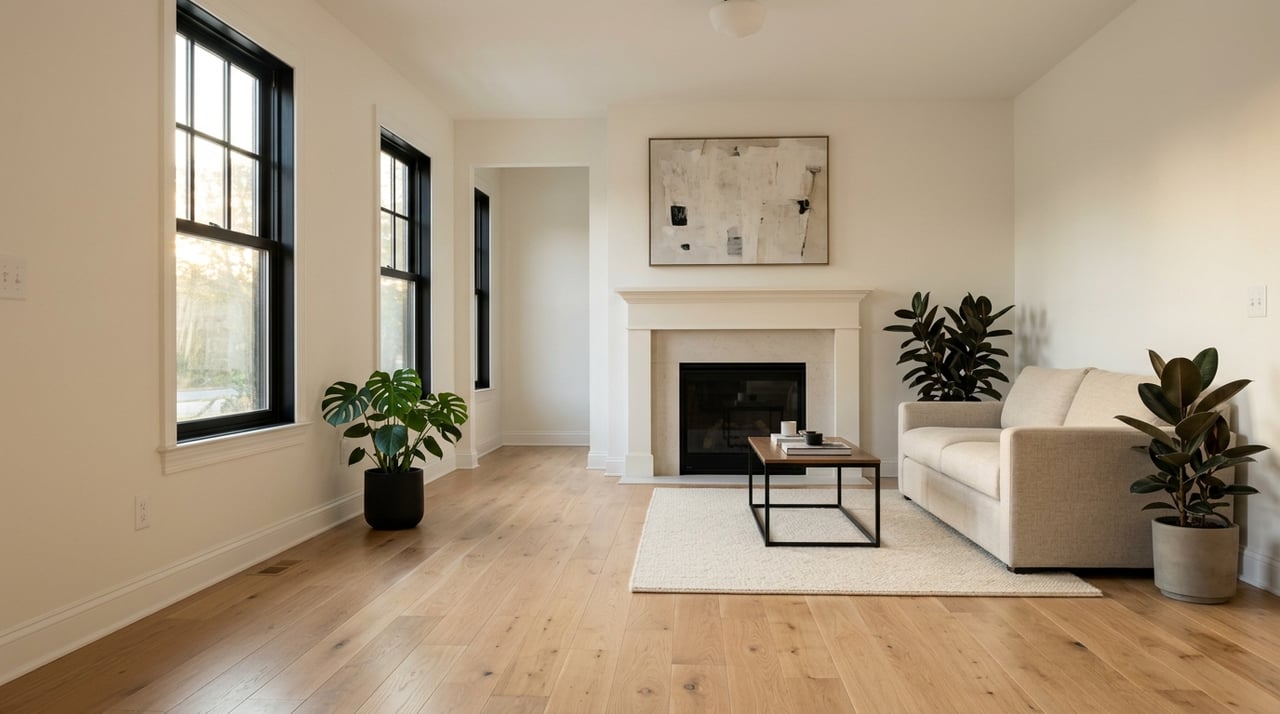
Spartanburg Home Sale Preparation That Helps You Stand Out
June 25, 2026
June 25, 2026
If your Spartanburg home would have sold instantly a few years ago, today’s market may feel like a wake-up call. With more inventory available and homes often taking longer to sell, buyers have more choices and more time to compare what they see online and in person. The good news is that smart preparation can help your home compete without turning pre-listing work into a huge project. Let’s break down where your time and money can make the biggest difference.
Spartanburg is not moving like a low-inventory, rush-to-offer market right now. The Spartanburg Association of REALTORS MLS April 2026 report showed 66 days on market, inventory up 24.8% to 2,488 units, and 4.4 months of supply.
Another snapshot from Realtor.com for May 2026 showed a median listing price of $264,900, 49 median days on market, and homes selling at about 99% of asking. These are different datasets, but they point to the same takeaway: presentation and pricing discipline matter more when buyers have options.
Even within Spartanburg, not every area behaves the same way. Realtor.com neighborhood data showed median days on market ranging from 34 in ZIP 29303 to 70 in Hillbrook and 104 in Converse Heights, which is a reminder that your exact neighborhood and price point should shape your prep plan.
Most buyers start online, and that first impression happens fast. In NAR’s 2025 Home Buyers and Sellers Generational Trends report, 83% of buyers said listing photos were very useful, and 73% of buyer agents said photos were among the most important listing features.
Staging also plays a real role in how buyers respond. In NAR’s 2025 Profile of Home Staging, 83% of buyers’ agents said staging made it easier for buyers to picture a home as a future residence, 49% said staging reduced time on market, and 29% of sellers’ agents said staging led to a 1% to 10% higher offer.
That matters because buyers often decide whether your home is worth a showing before they ever step through the door. If the photos feel dark, cluttered, or dated, you may lose interest early.
If your budget is tight, begin here. Cameras tend to magnify clutter and grime, which means things that feel “fine” in everyday life can stand out in photos.
Take a first pass through the house and remove excess furniture, personal items, magnets, countertop buildup, and anything that makes a room feel busy. Open blinds, let in natural light, and remember that a cleaner, simpler room usually looks larger online.
A helpful test is to take a few phone photos before your professional shoot. If something jumps out in a picture, there is a good chance buyers will notice it too.
Not every room deserves the same prep budget. According to NAR’s 2025 staging report, the most commonly staged spaces were the living room, primary bedroom, dining room, and kitchen.
That gives you a practical roadmap. If you are choosing where to spend time first, focus on the spaces that anchor everyday living and show up most clearly in photos.
Your living room should feel open, comfortable, and easy to understand at a glance. Pull out oversized furniture, simplify shelves, and create a clear path through the space.
Buyers respond well to bedrooms that feel calm and roomy. Keep bedding simple, clear nightstands, and remove extra decor that makes the room feel smaller.
The kitchen does not always need a full overhaul to show better. Clear counters, clean surfaces carefully, and remove anything that distracts from storage, workspace, or natural light.
Whether you have a formal dining room or an eat-in space, the goal is the same. Help buyers see how the area functions without crowding it with too much furniture or decor.
Before buyers see your kitchen or living room, they see your front door. In a market where buyers compare many homes, that exterior first impression can shape how they feel before the showing even begins.
The 2025 Cost vs. Value report found that exterior projects consistently outperformed larger discretionary interior remodels at resale. The top projects included garage door replacement, steel entry door replacement, manufactured stone veneer, and fiber-cement siding replacement.
That does not mean every Spartanburg seller should launch a major exterior renovation. It does suggest that front-of-house improvements often deliver stronger visual impact than expensive interior overhauls.
You may not need a large project to make the home feel more market-ready. Start with basics like:
Highly personal finishes can make it harder for buyers to picture themselves in the home. Since buyers rely so heavily on photos and staging to decide which homes feel move-in ready, a clean and cohesive backdrop usually works better than bold design choices.
If your walls are dated, inconsistent, or heavily customized, repainting is often worth considering before listing. The goal is not to make your home look generic. It is to make it feel fresh, well-kept, and easier for a wider pool of buyers to understand.
Flooring should follow the same logic. If a room has visible wear or a jarring mismatch, addressing that issue may help the home feel more complete.
Small flaws can turn into bigger concerns in a buyer’s mind. A loose handle, chipped trim, stained caulk line, or damaged screen may seem minor, but together they can make buyers wonder what else has been neglected.
Because online photos set expectations, the home should feel at least as good in person as it does on screen. Removing obvious objections before showings can help buyers stay focused on the home itself instead of on a running repair list.
A full kitchen gut usually is not the best first move before listing. The stronger national signal from the 2025 Cost vs. Value report favors modest kitchen refreshes and exterior replacements over large discretionary interior projects.
That means many sellers are better served by making the kitchen cleaner, brighter, and more polished rather than fully rebuilding it. If the kitchen truly has functional or major condition issues, the answer may be different, but it should be evaluated carefully in light of your price point and neighborhood.
Cosmetic prep is one thing. Larger improvements are another, and it is smart to confirm local requirements before work begins.
The City of Spartanburg says residential work inside city limits requires a residential building permit, major work goes through plan review, and minor work does not require plan review. Spartanburg County also notes that residential projects may involve building, electrical, plumbing, mechanical, sprinkler, and alarm permits, with separate rules for retaining walls 4 feet or higher.
If your pre-listing project involves structural changes, decks, walls, plumbing, electrical, or similar work, check with the correct local office first. That step can help you avoid delays and surprises later.
Preparing your home for sale does not mean hiding issues. South Carolina’s Residential Property Condition Disclosure Act generally requires owners of one-to-four-unit residential properties to provide a disclosure statement before the contract is signed, and knowingly false or misleading disclosures can create liability for actual damages and court costs.
That makes documentation important. If you repair or update something before listing, keep records and be ready to disclose accurately.
If you want a practical order of operations, keep it simple. In today’s Spartanburg market, the best prep plan often looks like this:
The goal is not perfection. The goal is to help your home look cared for, competitive, and easy for buyers to say yes to.
If you are getting ready to sell in Spartanburg, a local strategy can save you from overspending in the wrong places. Brighten Real Estate Group helps sellers plan practical prep, coordinate smart improvements, and bring a home to market with confidence.
We pride ourselves in providing personalized solutions that bring our clients closer to their dream properties and enhance their long-term wealth. Contact us today to find out how we can be of assistance to you!