Inman SC New Construction Homes vs Resale: Buyer Guide
February 19, 2026
February 19, 2026
Thinking about buying in Inman and torn between a shiny new build and a character-filled resale? It’s a good problem to have. Each path offers clear pros, from warranties and low maintenance to larger lots and mature trees. In this guide, you’ll compare pricing, lot sizes, HOAs, warranties, energy performance, financing options, and a quick checklist tailored to ZIP 29349. Let’s dive in.
As of December 2025, public portals reported median prices in the Inman area roughly in the low-to-mid $300s, with price per square foot commonly in the high $100s. Days on market vary by source, and active inventory shifts seasonally. Use the most recent MLS comps for your micro-neighborhood to anchor decisions. Treat new-build pricing as a range, since upgrades and lot premiums can change the final number.
You’ll find multiple builder neighborhoods around Inman and near Lake Bowen. A few examples:
Prices and inventory change quickly. If you want a finished spec home, compare it to nearby resale comps. If you’re going to-be-built, ask about lot premiums and how selections affect the final price.
Model homes often show paid upgrades. A practical rule of thumb: design center choices commonly add about 5 to 12 percent of the base price, and some buyers spend more if they choose many structural or finish upgrades. Before you sign, ask for the standard-features list and an itemized option sheet. For a helpful primer on navigating selections, read this guidance from NewHomeSource.
Most production builders offer a “1–2–10” style warranty structure. That typically means one year for workmanship items, two years for systems, and up to 10 years for qualifying structural defects. Ask who administers the warranty and request the full contract. Learn how builder warranties work from 2‑10 Home Buyers Warranty.
Efficiency is another plus. Many new homes are built to newer energy codes and may have lower utility costs. If efficiency is a selling point, request a HERS score or ENERGY STAR documentation. The HERS Index explains how performance is measured.
Most new subdivisions in Inman include a mandatory HOA that maintains common areas and often street lights or entry features. Fees vary by community and services. Recent local examples show monthly dues in the $25 to $54 range in smaller-amenity neighborhoods, with some amenity-rich communities charging higher annual totals. Always review the recorded covenants, fee schedule, and any closing or transfer fees before you commit.
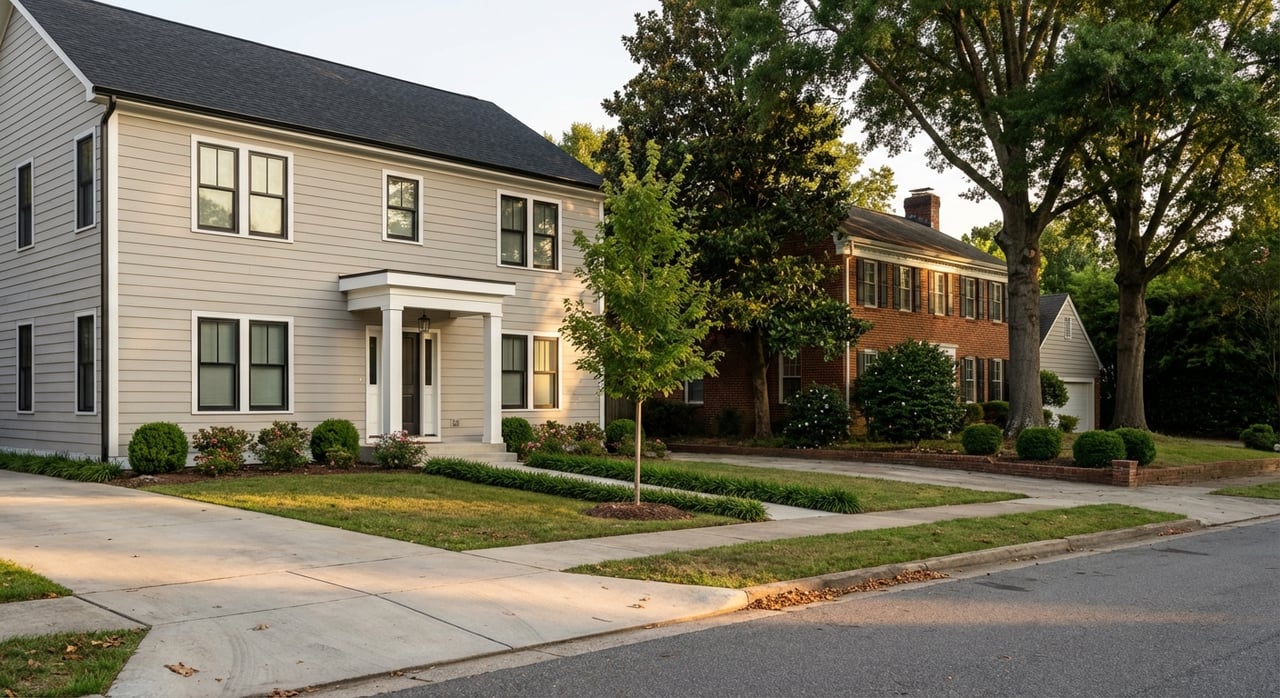
If you value elbow room, established resale neighborhoods around Lake Emory and other older pockets often feature larger lots, commonly around 0.4 to 0.6 acre or more, and mature trees that deliver instant shade and privacy. Streetscapes vary more, with irregular lot shapes and larger setbacks. You’ll likely enjoy a finished landscape on day one, with the tradeoff of more yard maintenance.
Resale homes frequently offer unique floor plans and curb appeal you won’t find in newer production streets. If you want an updated interior, you can renovate to your style after closing. Renovations take time and can disrupt routines, so weigh that against the convenience of picking finishes in a new-build contract.
Newer homes typically have fewer short-term repairs because systems and appliances are under warranty. For resale, a common planning rule is to budget about 1 to 4 percent of the home’s value per year for maintenance, depending on age and systems. See national guidance on maintenance budgeting at HomeGuide and The Balance.
If you’re buying a to-be-built home, you may use a construction-to-permanent loan that converts to a standard mortgage at completion. Expect draw inspections and interest-only payments during construction. Learn the basics in this explainer on single-close loans from K. Hovnanian. If you choose a finished spec home, you’ll likely use a standard mortgage.
Prefer resale but want to update kitchens, baths, or systems? Consider renovation mortgages that roll improvements into one loan, like Fannie Mae’s HomeStyle Renovation or FHA 203(k). Get a quick overview at Homebuyer.com’s HomeStyle guide.
Builders sometimes offer rate buydowns or closing-cost help through preferred lenders. Incentives can make a meaningful difference in your monthly payment. Always compare the offer to quotes from independent lenders. Check current community pages, such as DRB Homes’ Walnut Ridge on NewHomeSource, for any advertised incentives.
Use this quick list to keep your search focused:
If you want low immediate maintenance, modern systems, and the ability to pick finishes before move-in, new construction may be the right path. If you prize space, mature trees, and established streetscapes, a resale in Inman’s older pockets can deliver strong value. The best choice aligns with your lifestyle, budget, and timeline.
You do not have to navigate these tradeoffs alone. With hands-on construction insight, renovation partners, and local market expertise across Spartanburg County, our team can help you compare options side by side and move forward with confidence. Ready to start a focused search in Inman? Reach out to the Brighten Real Estate Group for a custom plan.
We pride ourselves in providing personalized solutions that bring our clients closer to their dream properties and enhance their long-term wealth. Contact us today to find out how we can be of assistance to you!